ESIM for International Travel: How to Choose
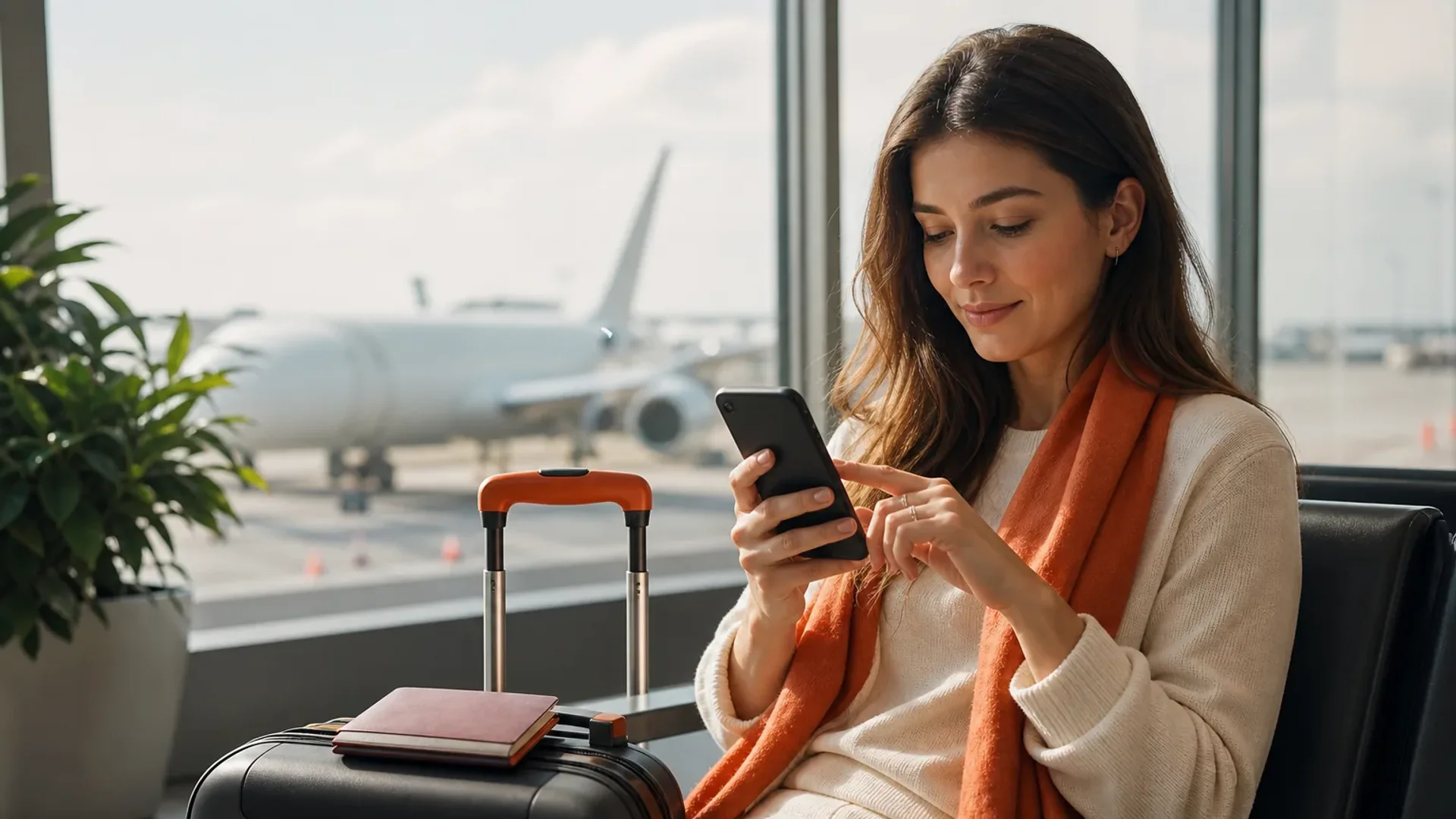
Compare eSIM coverage, data plans, prices, activation, and limits to choose an eSIM that fits your international trip.
Read the pieceKnow before you reach the gate
The gate penalty on a budget airline is real money, and it is almost always avoidable. We give you the exact rule and a clear verdict, never "check with your airline."
Now boarding
Featured
Compare eSIM coverage, data plans, prices, activation, and limits to choose an eSIM that fits your international trip.
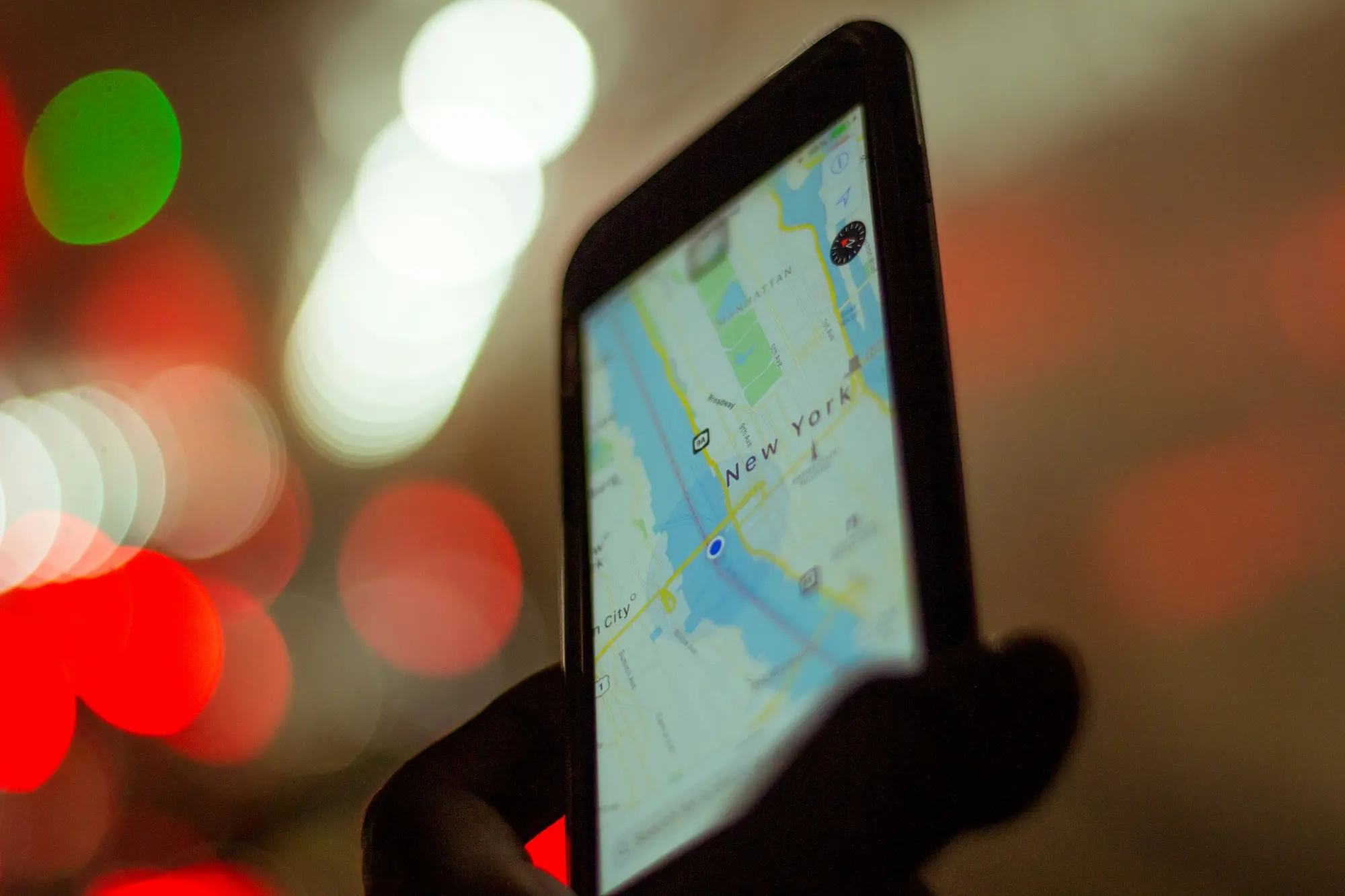
Read the pieceSix offline maps apps compared for travel: Organic Maps, OsmAnd, HERE WeGo, Google Maps, Maps.me, and Gaia GPS. Which one belongs on your phone before you fly.
Verdict: For most travelers, Organic Maps is the app to install first: free, no ads, no tracking, and accurate to within 5 metres on foot. Add HERE WeGo if you are doing a road trip in Europe or the US. Add OsmAnd if you are hiking or cycling off-road. Google Maps offline is a decent backup but not a primary tool.
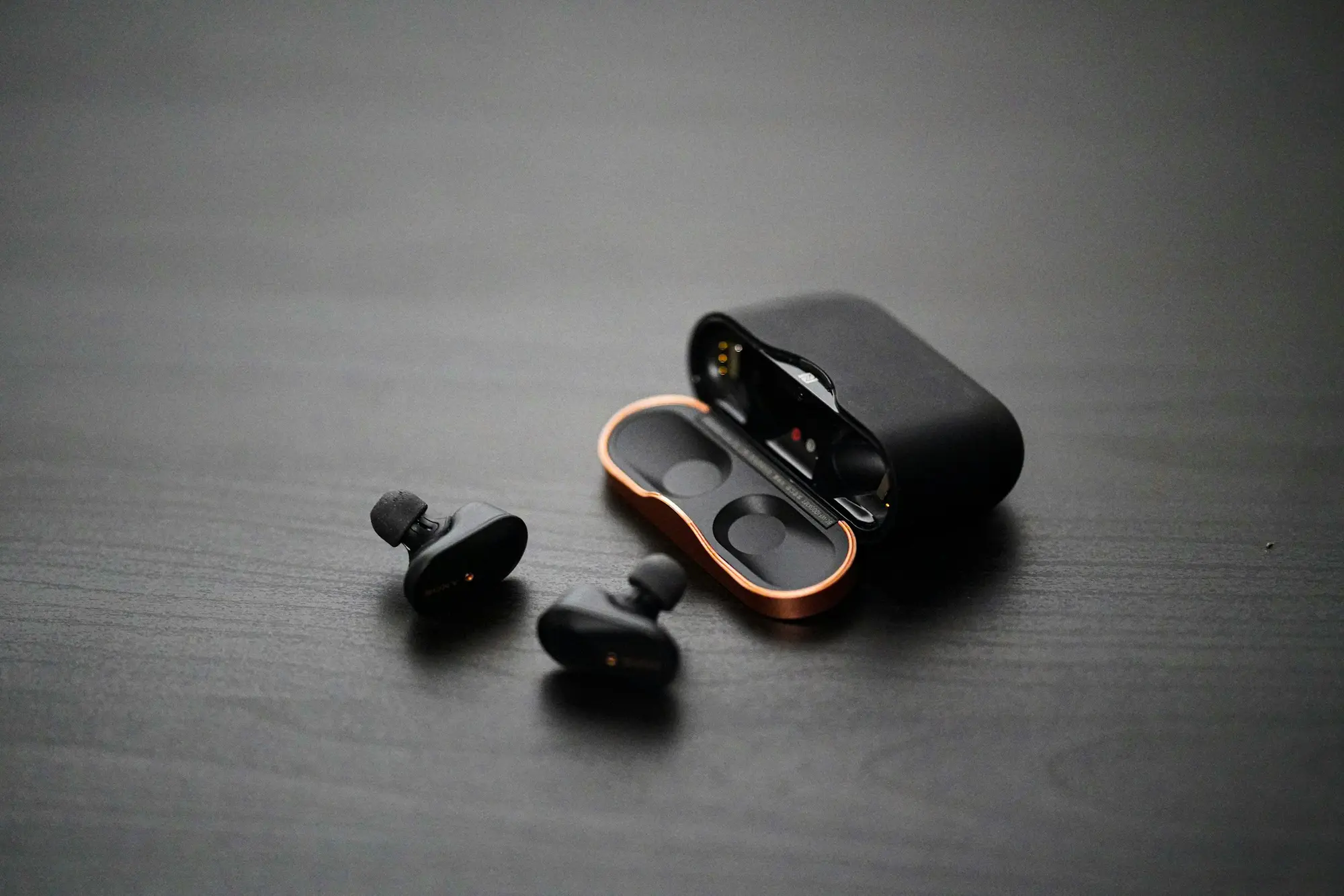
Real-time translation earbuds tested and ranked for travel: latency, offline support, accuracy, and price. Find the right pair for how you actually travel.
Verdict: For most travelers, the Timekettle W4 Pro ($449) is the only earbud that makes two-way conversation genuinely hands-free — one earbud per person, 0.2-second latency, no tapping required. Budget travelers who just need to get through airports and markets will do fine with the ANFIER M3 ($89.99), which handles 144 languages online and 8 offline for a fraction of the price.
The best eSIM for Switzerland, ranked by price per GB and network coverage. Switzerland is not in the EU, so a Europe plan can leave you offline. The picks.
Verdict: For a city-and-train trip through Switzerland, Nomad is the pick, because 10 GB for 30 days is $20.50 and it rides the Salt and Sunrise networks that cover the routes tourists actually take. If you are heading into the high Alps and want data that does not quit in a valley, buy Holafly instead, whose plans can ride Swisscom, the strongest mountain network, at $50.50 for 15 days of unlimited data.
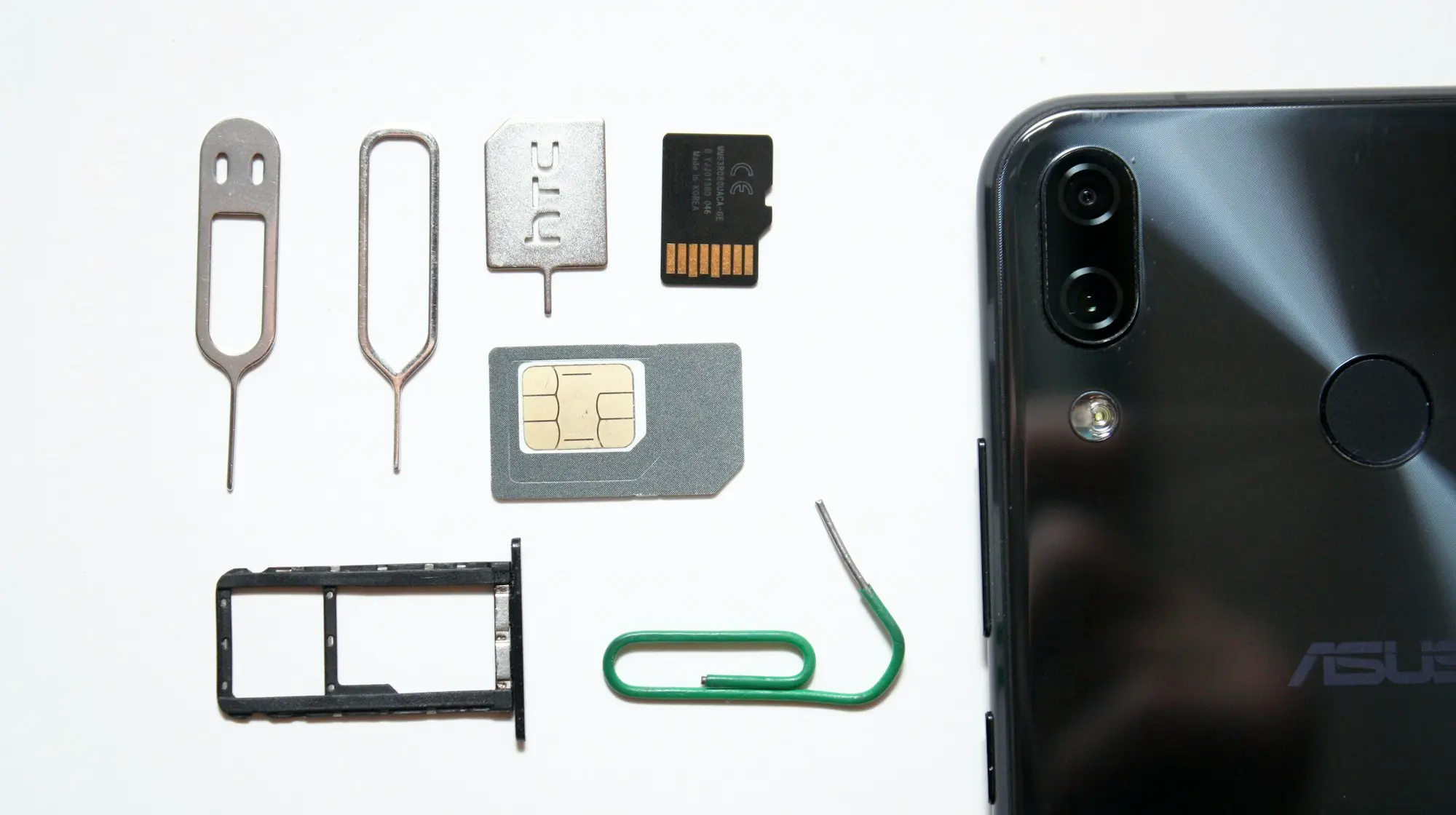
eSIM vs physical SIM for travel comes down to three things: your phone, your trip length, and whether you need your home number. The honest answer.
Verdict: For most trips under three months on a modern, unlocked phone, a travel eSIM is the right call, because it activates before you land, costs less than roaming or an airport SIM, and never makes you hunt for a shop. Skip it if your phone is carrier-locked or too old to support eSIM, or if you are staying somewhere for months, where a local physical SIM is cheaper. Either way, keep your home SIM active for bank texts.
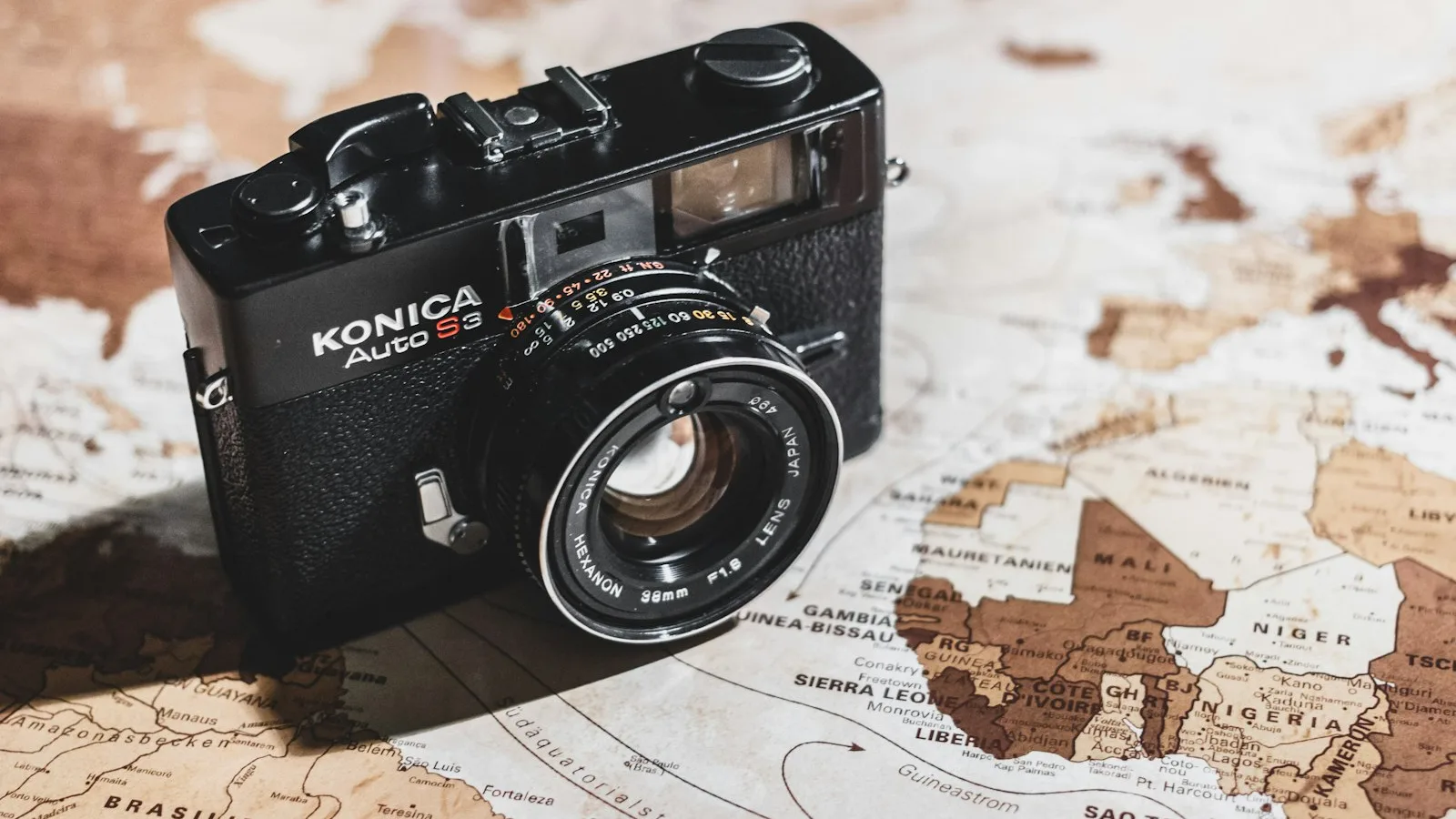
The best travel camera for 2026, ranked by the balance of image quality and pack size. The pick, the price, and who should skip each one.
Verdict: For most travelers, the Fujifilm X100VI is the best travel camera, because it packs a 40MP APS-C sensor and a sharp fixed lens into a jacket pocket. If you want one camera that covers every focal length without swapping lenses, the Sony RX100 VII's 24-200mm zoom is the pick instead.
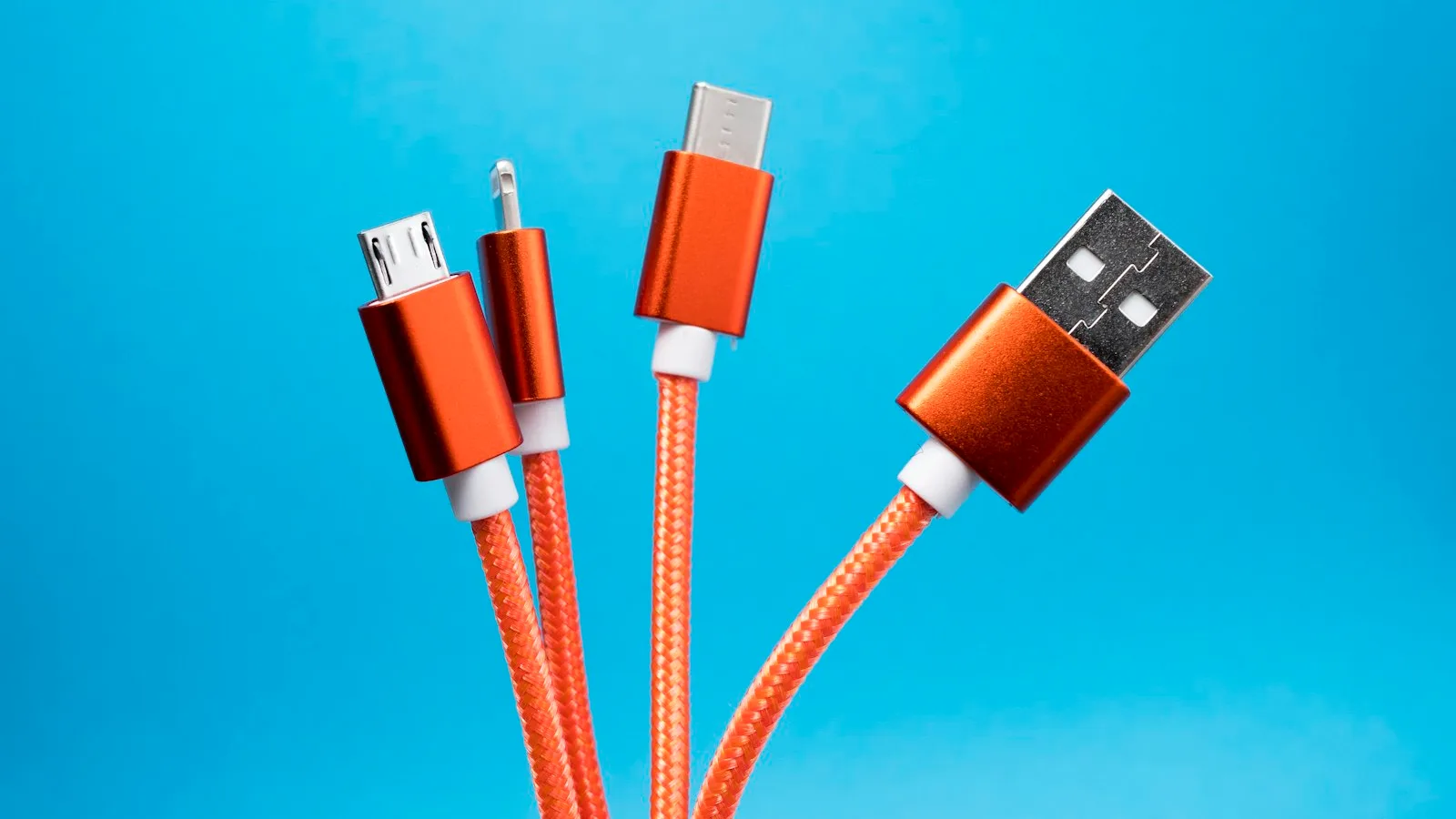
The best type-C travel adapter for 2026, ranked by real wattage and plug coverage. The pick, the live price, and who should skip each one.
Verdict: For most travelers, the Epicka TA-105 Pro (70W GaN, 6 ports) is the type-C travel adapter to buy, because it charges a laptop faster than any 65W rival here while costing less at $49.99. If you want the lightest, safest option for a family, the 168-gram Zendure Passport III is the pick instead.