ESIM for International Travel: How to Choose
Compare eSIM coverage, data plans, prices, activation, and limits to choose an eSIM that fits your international trip.
Author
Compare eSIM coverage, data plans, prices, activation, and limits to choose an eSIM that fits your international trip.
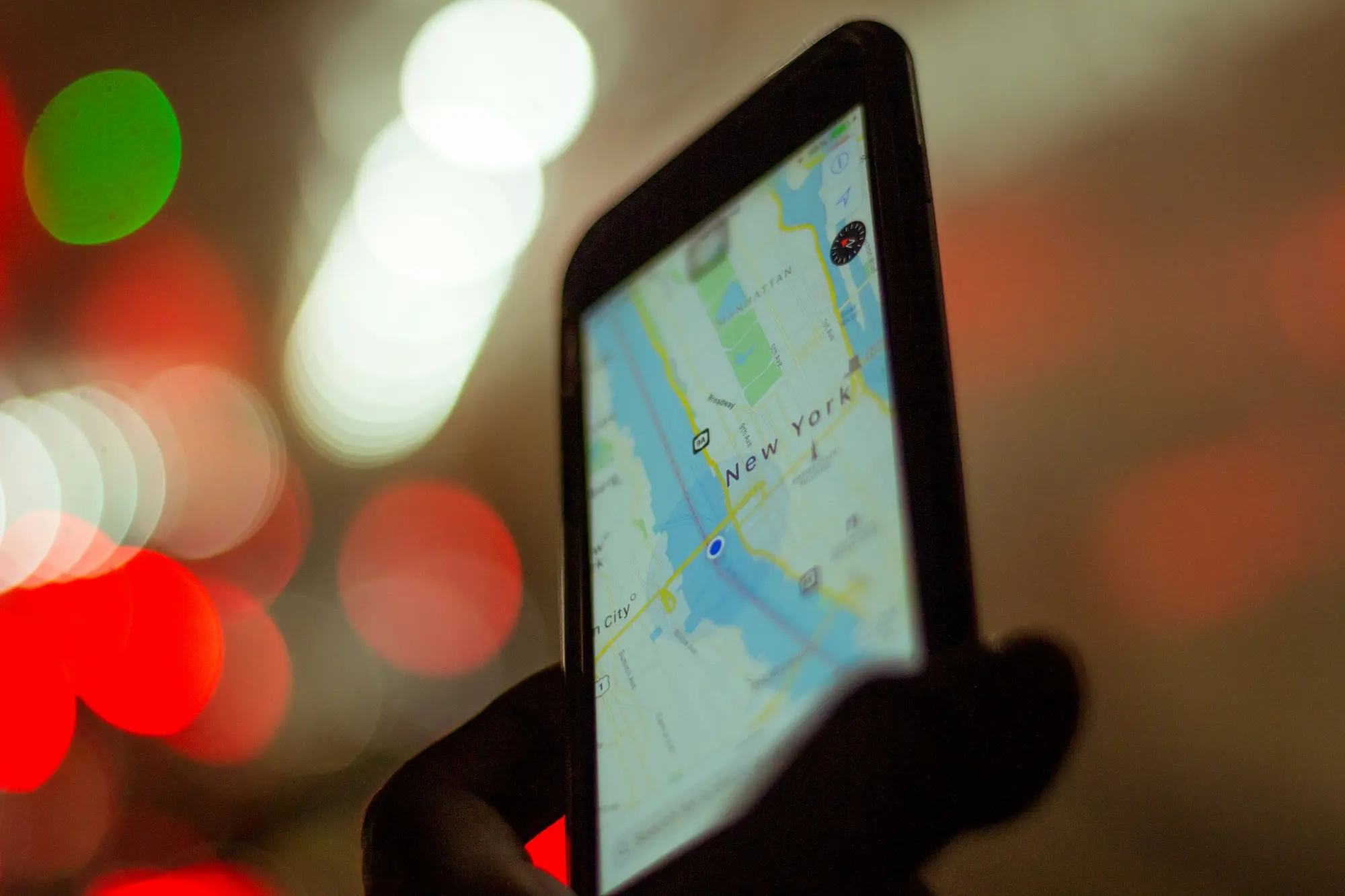
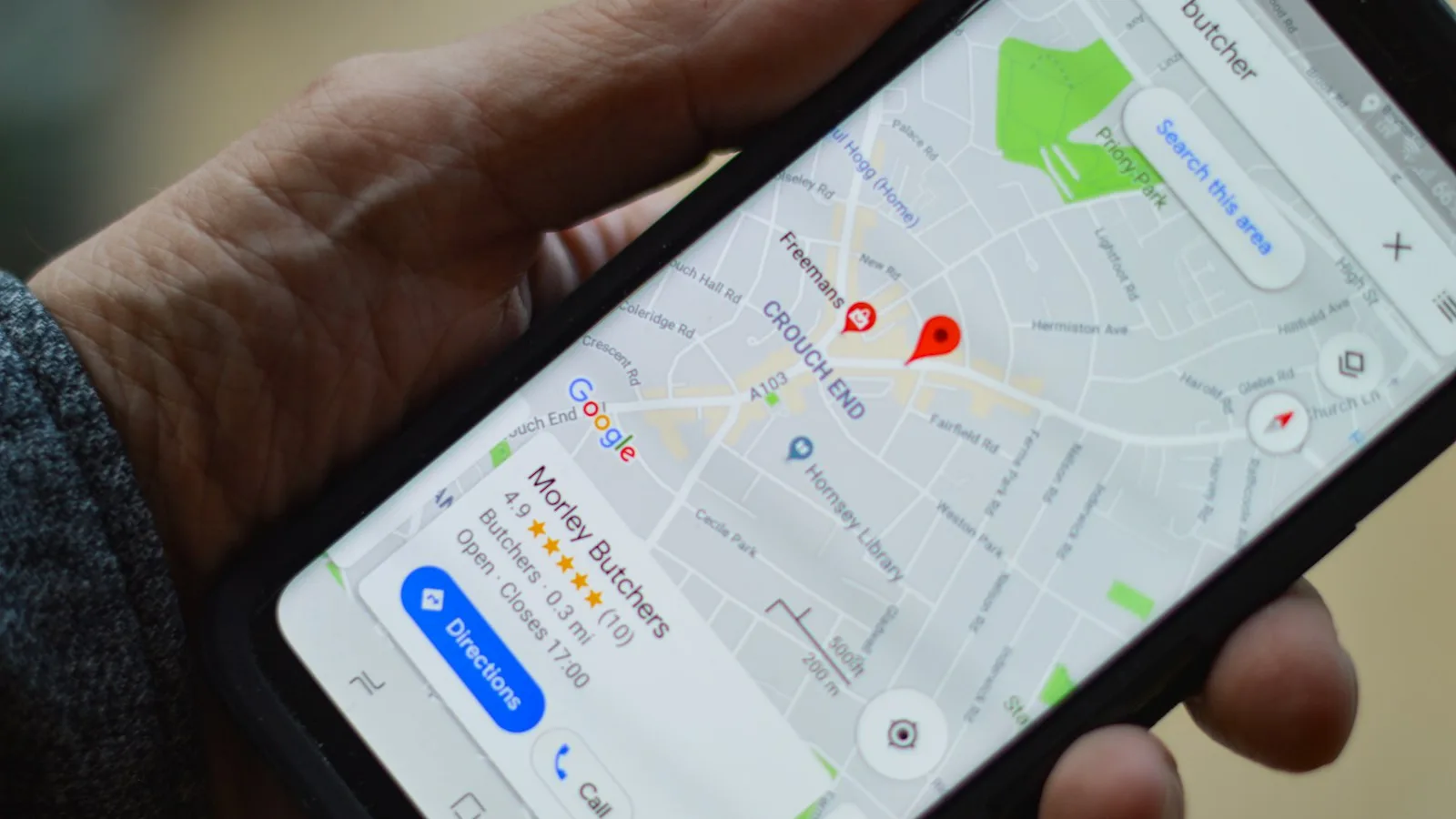
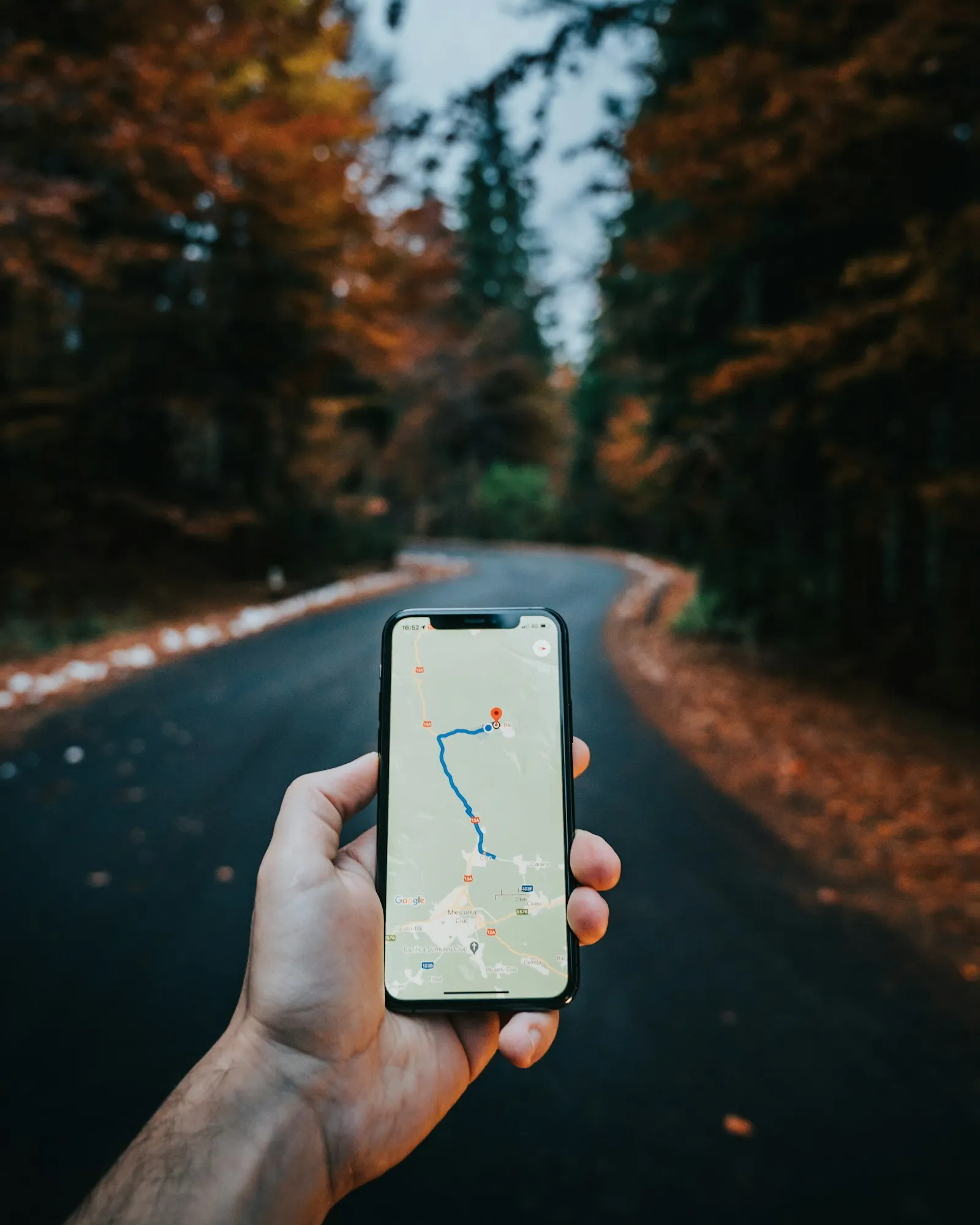
Six offline maps apps compared for travel: Organic Maps, OsmAnd, HERE WeGo, Google Maps, Maps.me, and Gaia GPS. Which one belongs on your phone before you fly.
Verdict: For most travelers, Organic Maps is the app to install first: free, no ads, no tracking, and accurate to within 5 metres on foot. Add HERE WeGo if you are doing a road trip in Europe or the US. Add OsmAnd if you are hiking or cycling off-road. Google Maps offline is a decent backup but not a primary tool.
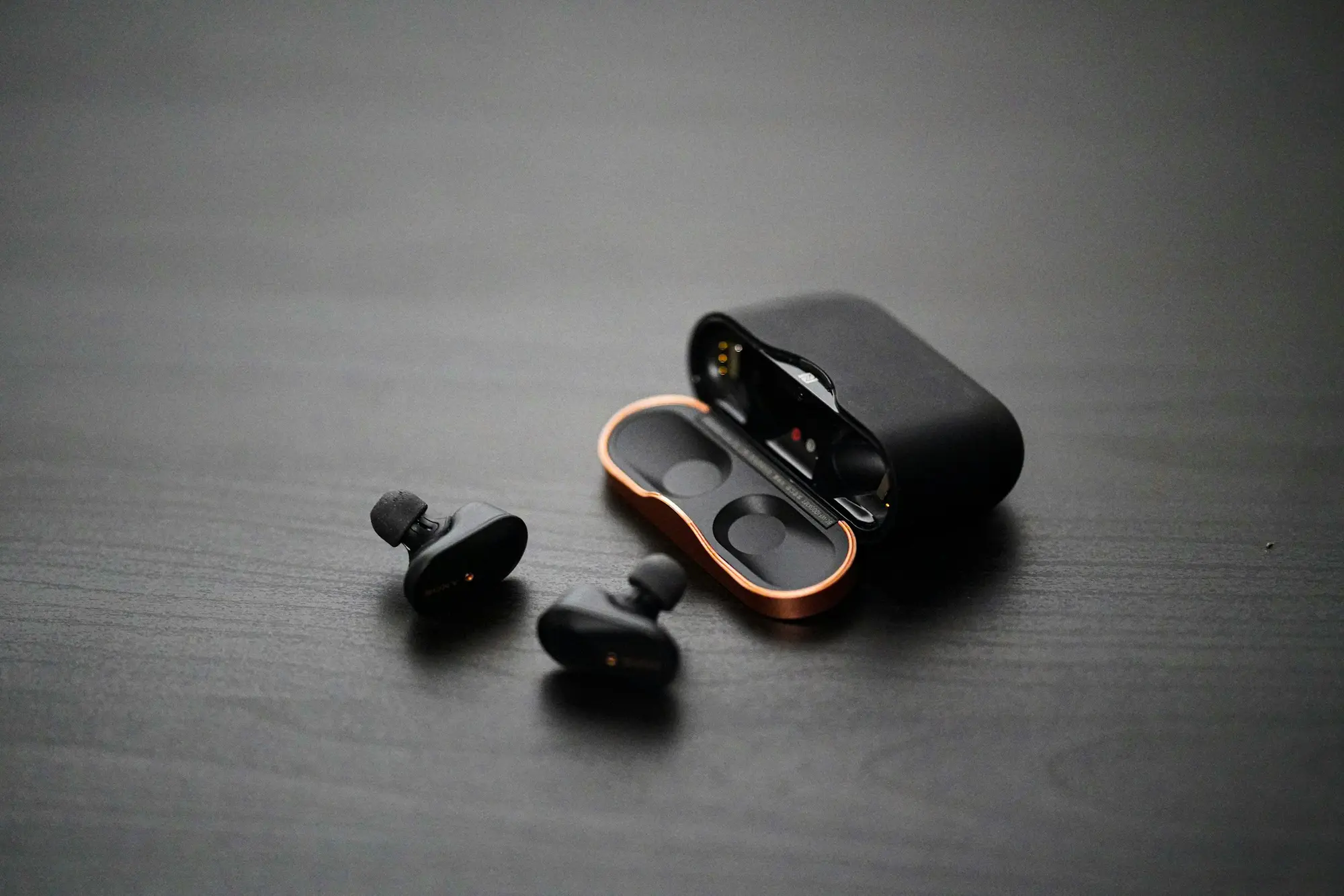
Real-time translation earbuds tested and ranked for travel: latency, offline support, accuracy, and price. Find the right pair for how you actually travel.
Verdict: For most travelers, the Timekettle W4 Pro ($449) is the only earbud that makes two-way conversation genuinely hands-free — one earbud per person, 0.2-second latency, no tapping required. Budget travelers who just need to get through airports and markets will do fine with the ANFIER M3 ($89.99), which handles 144 languages online and 8 offline for a fraction of the price.
The best eSIM for Switzerland, ranked by price per GB and network coverage. Switzerland is not in the EU, so a Europe plan can leave you offline. The picks.
Verdict: For a city-and-train trip through Switzerland, Nomad is the pick, because 10 GB for 30 days is $20.50 and it rides the Salt and Sunrise networks that cover the routes tourists actually take. If you are heading into the high Alps and want data that does not quit in a valley, buy Holafly instead, whose plans can ride Swisscom, the strongest mountain network, at $50.50 for 15 days of unlimited data.
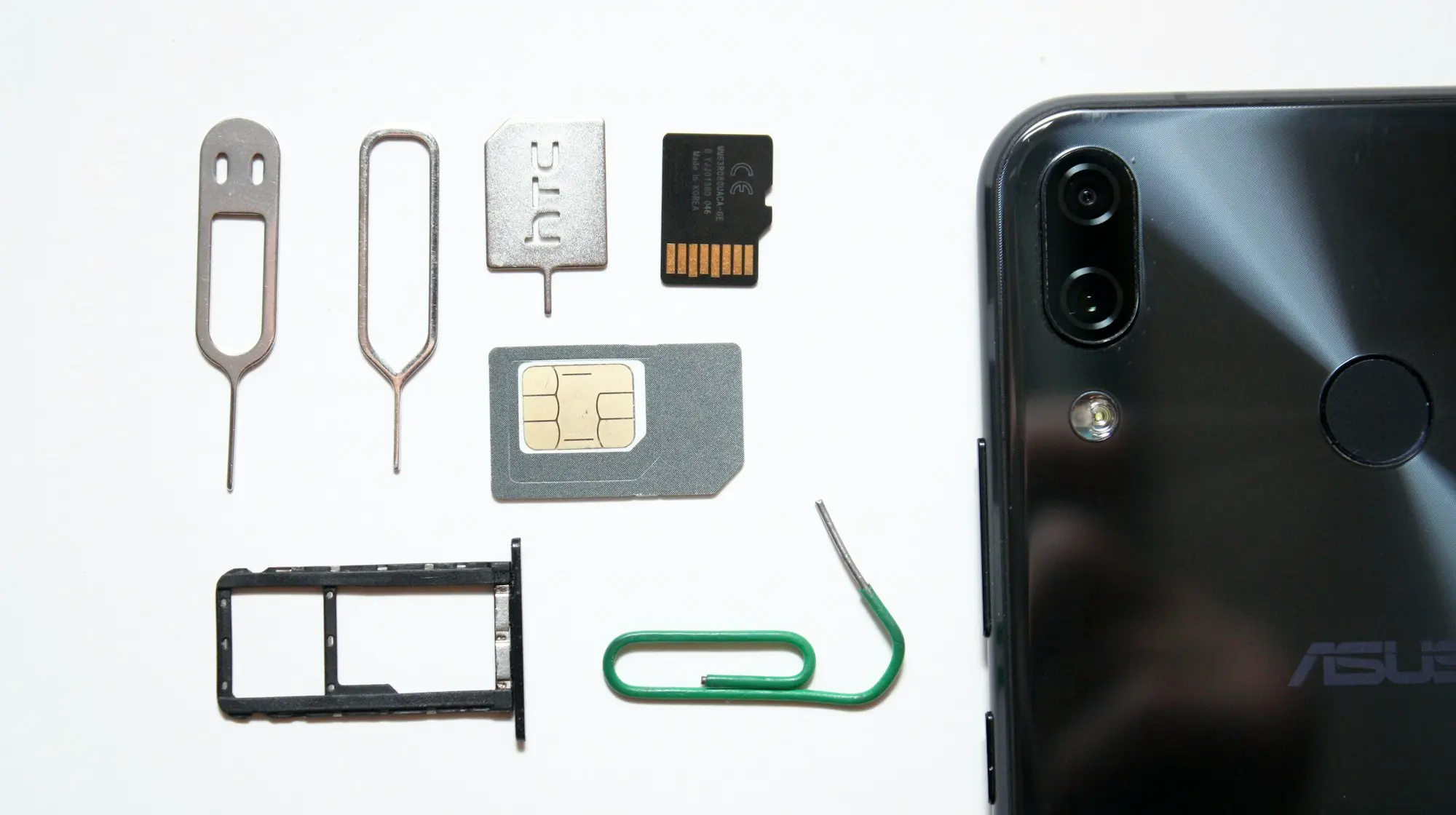
eSIM vs physical SIM for travel comes down to three things: your phone, your trip length, and whether you need your home number. The honest answer.
Verdict: For most trips under three months on a modern, unlocked phone, a travel eSIM is the right call, because it activates before you land, costs less than roaming or an airport SIM, and never makes you hunt for a shop. Skip it if your phone is carrier-locked or too old to support eSIM, or if you are staying somewhere for months, where a local physical SIM is cheaper. Either way, keep your home SIM active for bank texts.
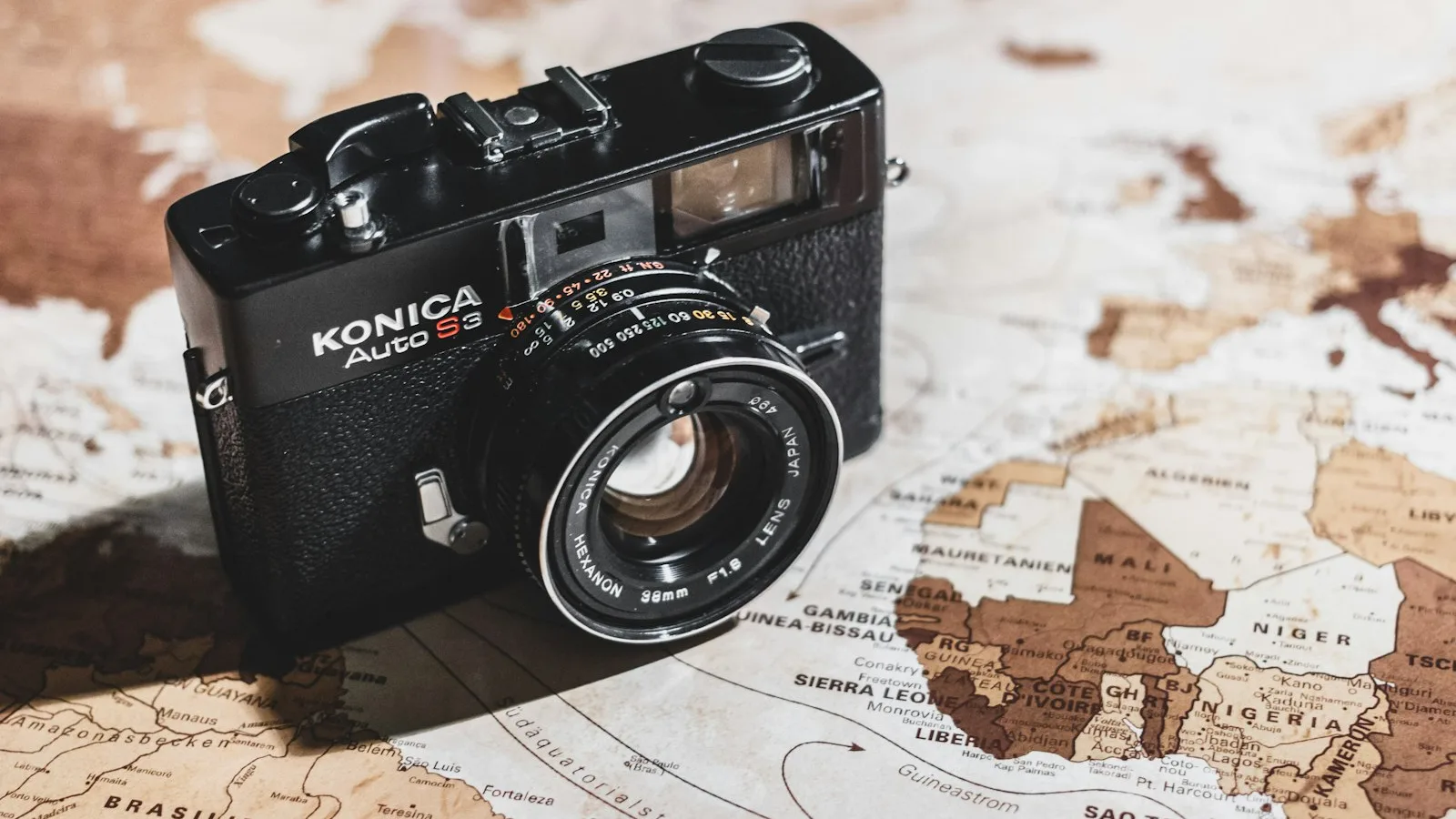
The best travel camera for 2026, ranked by the balance of image quality and pack size. The pick, the price, and who should skip each one.
Verdict: For most travelers, the Fujifilm X100VI is the best travel camera, because it packs a 40MP APS-C sensor and a sharp fixed lens into a jacket pocket. If you want one camera that covers every focal length without swapping lenses, the Sony RX100 VII's 24-200mm zoom is the pick instead.
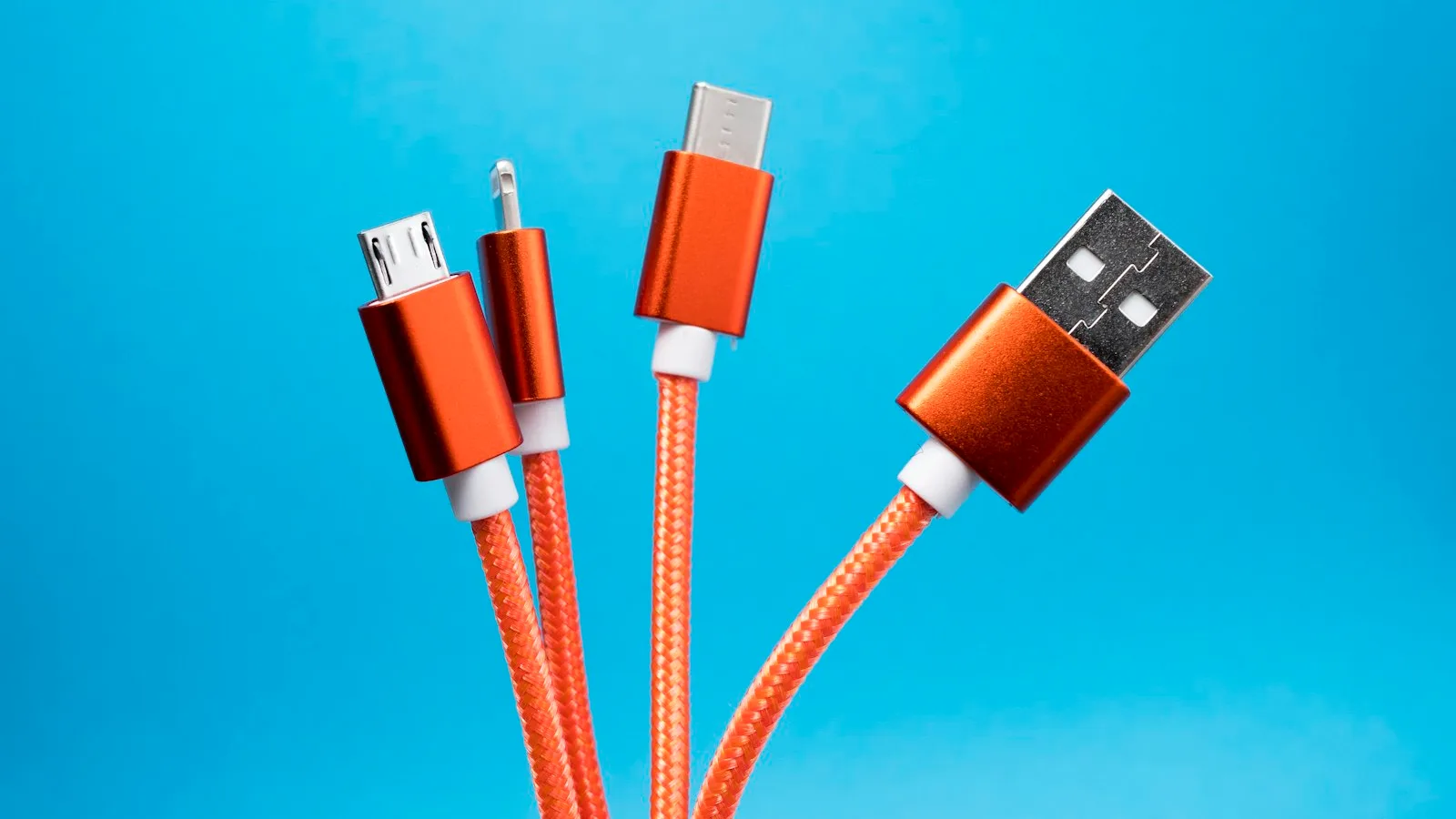
The best type-C travel adapter for 2026, ranked by real wattage and plug coverage. The pick, the live price, and who should skip each one.
Verdict: For most travelers, the Epicka TA-105 Pro (70W GaN, 6 ports) is the type-C travel adapter to buy, because it charges a laptop faster than any 65W rival here while costing less at $49.99. If you want the lightest, safest option for a family, the 168-gram Zendure Passport III is the pick instead.
Organic Maps vs OsmAnd both run offline on OpenStreetMap data. Here is which app to install for your trip, plus what OsmAnd's paid tiers actually cost.
Verdict: For most travelers, Organic Maps is the app to install first, because it is genuinely free, private, and simple enough to use the moment you land. If you hike, cycle off-road, or want topographic detail and route control, add OsmAnd on top. At their free tiers, running both costs nothing.
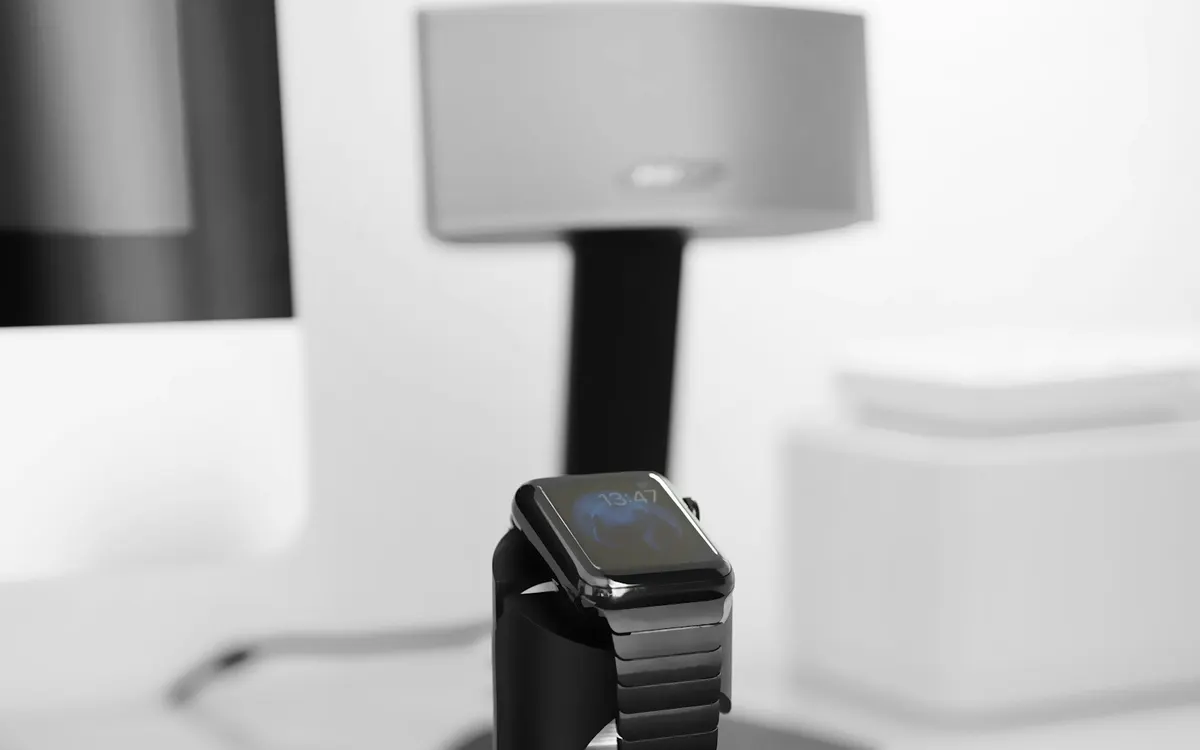
The best Apple Watch portable charger, ranked by what fails on a trip. The pick, the price, and why MFi certification decides whether it charges at all.
Verdict: For most travelers, the Belkin BoostCharge Pro Power Bank 10K is the pick, because it fast-charges an Apple Watch and an iPhone at once from one 10,000mAh pack. If you only need to top up a watch, buy the $17.99 Belkin 2K keychain instead.
The best compression packing cubes, ranked by how much they shrink your pile. The pick, the price, and the weight trap that catches first-time buyers.
Verdict: For most travelers, the Thule Compression Cube Set is the pick, because it drops from 4.3 inches to 1.25 inches deep on YKK zippers that survive real trips. If you want the cheapest way to try compression, buy the $29.99 BAGSMART six-piece set instead.
The best travel charger for iPhone, ranked by watts per gram. The pick, the price, and who should skip the laptop-capable bricks and pack light.
Verdict: For most iPhone travelers who also carry a laptop, the UGREEN Nexode Pro 65W is the pick, because it charges a MacBook at 65W and still fits in a coat pocket. If your trip is phone-only, skip the 65W bricks and buy the $15.99 Anker Nano 30W instead.
Noise cancelling earbuds for airplane use, ranked by in-flight ANC testing on a 12-hour flight. The pick, the price, and who should skip each.
Verdict: For most travelers with an iPhone, the AirPods Pro 3 ($249) are the right earbuds for airplane use — 8 hours of ANC on a charge, near-best noise cancellation, and the only pair here that adapts to cabin pressure changes. Android users who want maximum ANC should go to the Sony WF-1000XM6 ($329), which scored highest in real-world in-flight testing.
The best packing cubes, ranked by what actually breaks: zippers, mesh, and compression. The pick, the price, and who should skip each set.
Verdict: For most travelers, the Eagle Creek Pack-It Reveal Cube Set is the pick, because the mesh windows let you find things without unpacking and the lifetime warranty covers the one part that fails, the zipper. If you are trying to fit ten days into a carry-on, skip the mesh sets and buy a compression cube instead.
The best luggage tracker for Android depends on your phone brand and where you fly. Samsung users pick one tracker, everyone else another. Here is the split.
Verdict: If you carry a Samsung Galaxy phone, the Galaxy SmartTag2 is the pick, because it rides the densest Android tracker network you can access. On any other Android phone, buy a Google Find My Device tracker like the Chipolo ONE Point. Skip all of them if you expected AirTag-on-iPhone reliability, because no Android tracker matches that yet.
Noise cancelling headphones for long flights, ranked by how they kill engine drone over 10+ hours. The pick, the price, and who should skip each pair.
Verdict: For most long-haul flyers, the Bose QuietComfort Ultra Headphones are the pick, because they mute engine drone as well as anything and stay comfortable past hour eight. If you sleep on your side against the window, skip every over-ear pair here and use earbuds.
The best eSIM for Europe, ranked by price per GB, country coverage, and real throttling limits. The pick, the price, and who should skip each one.
Verdict: For most trips across several European countries, Nomad's Europe regional plan is the pick, because 10 GB for 30 days costs $23 and works in 35 countries on one eSIM. If you burn through more than a few GB a day and never want to think about a data cap, skip the metered plans and buy Holafly unlimited instead, at $73.90 for 30 days.
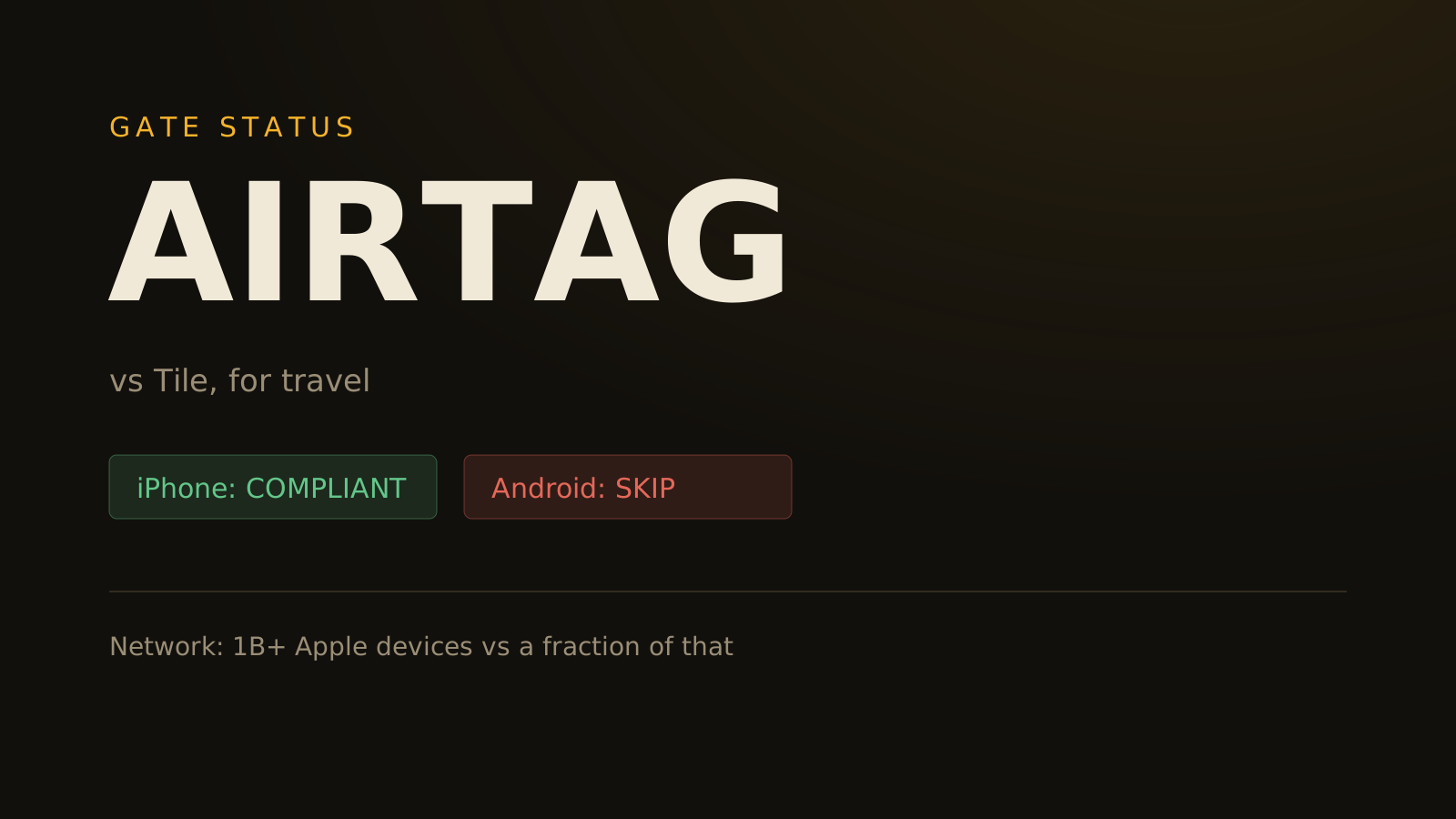
AirTag vs Tile for travel comes down to one number: network size. Here is which tracker to buy for your phone, and who should skip both.
Verdict: For iPhone travelers, the Apple AirTag is the right tracker and it is not close. For Android travelers, AirTag is off the table, and Tile is too weak to lean on, so the answer changes.
The best power bank for international travel, ranked by watt-hours so it clears the 100Wh airline limit. The pick, the price, and who should skip each one.
Verdict: For most international flyers, the Anker 737 Power Bank (24,000 mAh, 88.8Wh) is the pick, because it charges a laptop at 140W and stays comfortably under the 100Wh line every airline enforces. If you carry only a phone, skip the 630-gram bricks and buy the 231-gram Anker Nano instead.
The best eSIM for USA, ranked by price per GB, which US carrier you land on, and real throttling limits. The pick, the price, and who should skip each one.
Verdict: For most visitors to the USA, Airalo's Change eSIM is the pick, because it runs on T-Mobile plus Verizon (so it holds up outside the big cities), it is the only major provider that can add a local +1 number, and 10 GB for 30 days costs $22.50. If you are driving through remote areas or national parks and want the widest carrier fallback, look at Nomad, which names all three US networks. If you refuse to watch a data counter, Holafly sells unlimited for $73.90 for 30 days, but it caps hotspot at about 1 GB a day.