Sony XM6 vs XM5: The Fold, the Hinge, and the $50 Question for Frequent Flyers
Verdict:If you are buying new for travel, the Sony WH-1000XM6 is the better pair, because it folds into a smaller case and cancels a little more noise. If the XM5 is on sale for $50 or more under the XM6, buy the XM5 and keep the savings.
If you are buying noise cancelling headphones for travel today, the Sony WH-1000XM6 is the better pair, because it folds into a smaller case and edges the XM5 on noise cancelling. If you already own the WH-1000XM5, do not upgrade for flights alone. SoundGuys sums it up as the XM6 being the better product for most users while the XM5 remains the better deal.
That verdict comes down to one trade. The XM6 fixes the two things frequent flyers complained about on the XM5, the headphones that would not fold and a hinge with a reputation for breaking. It costs $449.99 against $399.99 at list price, and the XM5 now sells for well under that. This article is a direct head-to-head. If you are choosing across brands, our noise cancelling headphones for long flights roundup compares Sony against Bose, Sennheiser and Apple, and our noise cancelling earbuds for airplanes guide covers the in-ear route.
Some links in this article are affiliate links. If you buy through them, we earn a small commission at no extra cost to you. We only link to products we would actually recommend. If it does not hold up in real use, it is not here.
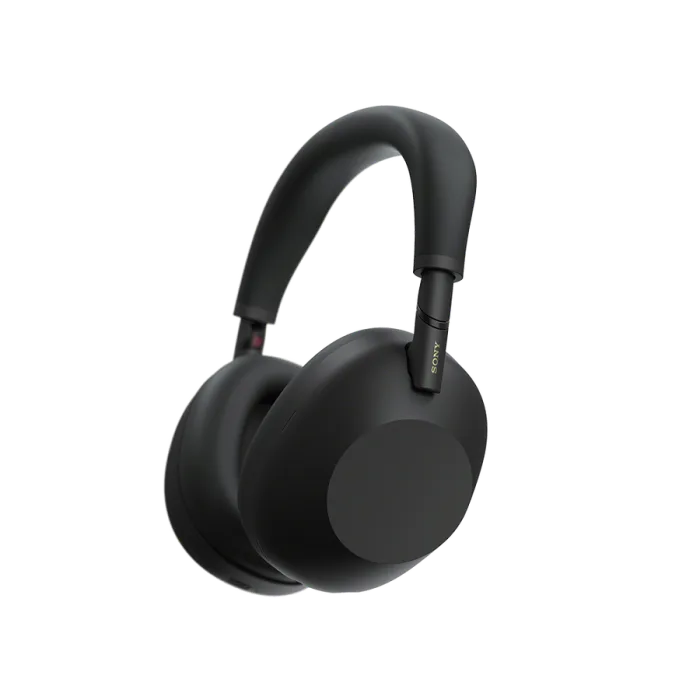
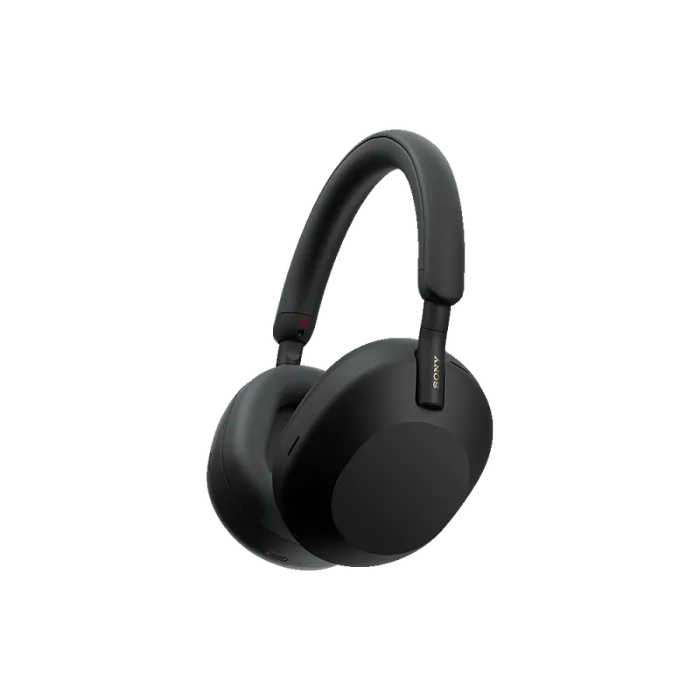
The XM6 is the pair to buy if you fly more than a few times a year. Sony lists it at about 254 grams with up to 30 hours of battery with noise cancelling on and 40 hours with it off, on Bluetooth 5.3 with LDAC, AAC, SBC and LC3 support and multipoint pairing. The headline change is the design. The XM6 folds, and the XM5 only lays flat. Recording Now describes it as folding into a smaller hardshell case, while the XM5 needs a bulkier one, and in a bag where every cubic inch is spoken for, that matters more than a decibel.
On noise cancelling, the lab numbers favor the XM6 by a small margin. SoundGuys measured up to 87 percent noise reduction against 84 percent for the XM5, and credits part of it to better passive isolation from a firmer fit. Recording Now calls it an “incremental 10% improvement.” SoundGuys also measured 37 hours 14 minutes of battery with ANC on, against 31 hours 53 minutes for the XM5, and both clear the longest nonstop flights with room to spare.
The honest negatives are comfort and price. SoundGuys says the XM6 pads “feel deflated out of the box,” and Tom’s Guide notes the earcups are slightly small, so people with large ears may prefer the XM5. The XM5 keeps the more padded, more forgiving fit. At $449.99 list, the XM6 is also $50 above the XM5 before any sale, and SoundGuys says the XM6 “barely justifies the price” for anyone who already owns the XM5. Recording Now also calls the new hinge reinforcement still “plasticky,” so do not treat the fold as a durability guarantee.
The XM5 is the value pick. Sony lists it at about 250 grams, with the same 30 hours of battery with noise cancelling on and 40 with it off, Bluetooth 5.2, and LDAC, AAC and SBC codecs. It charges in about 3.5 hours over USB. SoundGuys notes that it “now frequently dips below $350 during sales,” and Recording Now says the XM5 stays a “solid value buy” at lower prices.
The XM5 also has the more comfortable fit. SoundGuys describes “deeper and more compliant padding,” and Recording Now scores its comfort higher than the XM6 for the same reason. For a long flight where you sleep with the headphones on, that is the better pair to wear.
The honest negative is the hinge and the case. Recording Now describes a known “weak hinge” concern, and CentralSound says some XM5 users report weakness around the hinge and headband. The XM5 does not fold, so it travels in a bigger case that takes more room in a personal item.
Prices are Sony list prices as reported by SoundGuys and Recording Now, checked October 12, 2026. Sony’s own US store blocks automated price checks, so confirm the current figure on Sony’s page before you buy.
The decision
If you are buying new and the gap is $50 or less, buy the Sony WH-1000XM6. It folds into a smaller case and has the stronger ANC, and 254 grams is no heavier in practice.
If the XM5 is on sale at $350 or less, buy the Sony WH-1000XM5. You give up the fold and the last few percent of ANC, and you keep around $100.
If you already own the XM5, keep it. SoundGuys says there is “no urgency to upgrade” unless comfort, audio, or the fold is a real pain point.
If you have larger ears or wear glasses on long flights, try the XM5 first. The XM6 earcups are slightly smaller, and the XM5 has the roomier, softer padding.
Airalo vs Holafly compared on real USD prices for Japan, Thailand, and Vietnam, daily data caps, hotspot rules, and who each eSIM is right for.
Verdict: Buy Airalo for most trips: it was cheaper than Holafly on every unlimited duration we checked in Japan, Thailand, and Vietnam, it sells fixed-GB plans that cost far less for light use, and it publishes its daily full-speed cap. Buy Holafly only if you want unlimited data sold by the exact day, from 1 to 90 days, and accept paying from $0.50 to about $25 more.
Airalo vs Saily compared on live prices, coverage, calls, apps, support, and Trustpilot scores, with a clear pick for each kind of trip.
Verdict: Airalo is the better default because its prices match Saily's almost to the cent and it adds calls and SMS plans, 3 to 365 day validity, and wider regional coverage. Saily is the better pick if you want a single reusable eSIM, faster in-app support, and a much higher Trustpilot score (4.7 against 4.1).
Anker power bank review for travelers: Laptop 25K 165W, Prime 26K 300W, MagGo 10K Slim and Nano 5K compared by weight, price, Wh, and the recall list.
Verdict: For most travelers carrying a laptop, the Anker Laptop Power Bank (25K, 165W) is the Anker to buy, because it pairs 92.5Wh of capacity with two built-in cables for $119.99. If you only charge an iPhone, buy the MagGo 10K Slim or the Nano 5K instead.